I like this pizzeria&restaurant. I tasted a lot of different kind of pizza and I have been always satisfied: special thanks to Francesco They have a good selection of beer very well matching pizza's taste. In case you are looking for some startes, pasta, meat or fish, an interesting menu is available. Don't hesitate asking for questions to the waiter.
Overview
If you’re wandering through southern Turin and find yourself near Via Pietro Francesco Guala, 120, 10135 Torino TO, Italy, it’s hard to miss the warm, inviting façade of Ristorante Noe' Torino. I first stepped in on a rainy weekday evening, not expecting much more than a decent plate of pasta. Instead, I walked into a space that felt genuinely local-where conversations flowed as easily as the house wine and the staff greeted regulars by name.
The menu reads like a love letter to Piedmontese cuisine. You’ll spot classics such as tajarin with ragù, vitello tonnato, and agnolotti del plin. During my visit, I ordered the handmade agnolotti stuffed with roasted meat and served with a simple butter and sage sauce. The pasta was thin, almost delicate, and perfectly al dente. According to Italy’s Accademia Italiana della Cucina, traditional Piedmontese pasta relies on high egg content for richness and texture, and you can taste that authenticity here. The sauce didn’t overpower the filling; instead, it enhanced the natural flavors. That balance is harder to achieve than it sounds, and it shows a kitchen that understands technique as well as tradition.
I’ve spent years exploring trattorias across Italy, from small family-run spots in Alba to busy osterias in central Turin, and there’s a particular method that distinguishes good from memorable: ingredient sourcing. At Ristorante Noe’, the staff explained that many of their seasonal vegetables come from local suppliers in the Piemonte region. This commitment mirrors what organizations like Slow Food-founded in nearby Bra-advocate for: short supply chains and respect for local producers. You can see that philosophy reflected in the antipasti platter, where cured meats and cheeses feel thoughtfully selected rather than mass-produced.
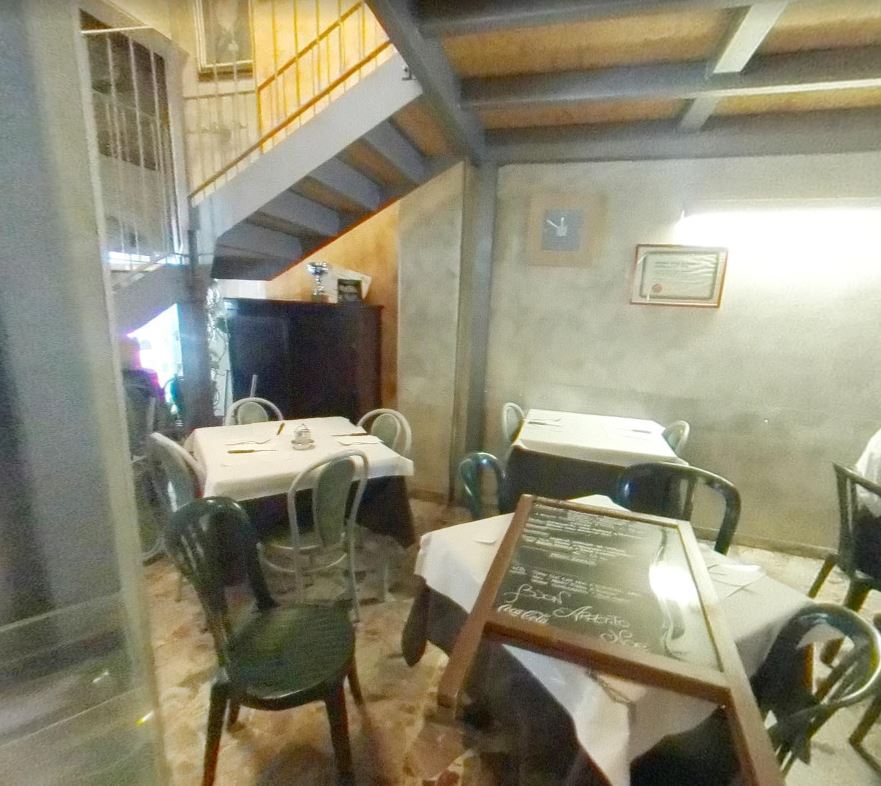
The atmosphere deserves its own spotlight. The dining room is cozy without being cramped, with wooden tables and soft lighting that create a relaxed vibe. On weekends, the restaurant fills up quickly, so reservations are a smart move. Reviews from both locals and travelers often highlight the friendly service, and I experienced the same. Our server patiently described the daily specials, offering wine pairings that complemented each dish. When I asked about the Barbera recommendation, he explained its acidity and structure in simple terms, making wine pairing feel accessible rather than intimidating.
One standout dish was the brasato al Barolo. Slow-cooked beef, tender enough to cut with a fork, rested in a deep, aromatic sauce. The cooking process-marinating the meat in Barolo wine, then braising it at low temperature for hours-reflects a technique widely documented by culinary institutes as essential for breaking down connective tissue while preserving flavor. The result was rich yet not heavy, especially when paired with creamy polenta. It’s the kind of dish that lingers in your memory long after the plate is cleared.
Dessert didn’t disappoint either. The bonet, a traditional Piedmontese chocolate and amaretti pudding, was smooth and subtly bittersweet. It struck that perfect note between indulgent and refined. While nutritional data isn’t typically posted in small Italian diners, portion sizes felt reasonable, aligning with the Mediterranean diet principles praised by the World Health Organization for promoting balanced eating habits.
In terms of location, being slightly outside the historic center gives this restaurant a more neighborhood feel. You won’t be elbow-to-elbow with tourists snapping photos; instead, you’ll share the room with families celebrating birthdays and couples enjoying a quiet dinner. That authenticity adds a layer of trust. Prices are fair for the quality offered, and the transparency of the menu-clearly listed dishes and seasonal changes-helps diners make informed choices.
Of course, like any popular spot, peak hours can mean a bit of waiting, and the menu, while rooted in tradition, may not cater extensively to highly specialized dietary preferences. Still, the staff is accommodating and willing to adjust when possible.
What stays with me most is the sense of care-from the preparation of the food to the pacing of the service. In a city known for chocolate, wine, and refined cuisine, this address on Via Pietro Francesco Guala stands confidently among Turin’s respected dining locations, offering a meal that feels both grounded in heritage and warmly personal.
Good to know
Service options
✓ Takeaway ✓ Dine-in ✓ DeliveryHighlights
✓ Great coffee ✓ Great dessertPopular for
✓ Lunch ✓ Dinner ✓ Solo diningAccessibility
✓ Wheelchair-accessible car park ✓ Wheelchair-accessible entrance ✓ Wheelchair-accessible seating ✓ Wheelchair-accessible toiletOfferings
✓ Alcohol ✓ Beer ✓ Coffee ✓ Healthy options ✓ Late-night food ✓ Quick bite ✓ Spirits ✓ WineDining options
✓ Lunch ✓ Dinner ✓ Dessert ✓ Seating ✓ Table serviceAmenities
✓ ToiletAtmosphere
✓ Casual ✓ Cosy ✓ QuietCrowd
✓ GroupsPlanning
✓ Dinner reservations recommended ✓ Accepts reservationsPayments
✓ Credit cards ✓ Debit cards ✓ NFC mobile payments ✓ Credit cardsChildren
✓ Good for kids ✓ High chairs ✓ Kids' menuParking
✓ Free of charge street parking ✓ Paid street parking ✓ ParkingPets
✓ Dogs allowedPhotos
1 / 4
Location
Reviews
- No ratings yet 812 reviews
You need to see this waiter! He's incredible. Confort food served with lots of love.
Il ristorante dispone di alcuni coperti esterni, sotto i portici adiacenti. La pizza è buona, soprattutto per la qualità degli ingredienti e il loro dosaggio. Purtroppo alcune erano leggermente troppo cotte. I dolci non erano molto freschi, ma comunque gustosi. Il servizio invece è il valore aggiunto del locale, in quanto tutti molto disponibili e preparati: infatti al nostro tavolo era presente una ragazza celiaca, alla quale è stata riservata la giusta attenzione e opinione. Detto questo, lo considero un ristorante molto valido, consigliato!